How to Evaluate Machine Parts Suppliers: 8 Key Factors You Must Examine
In precision manufacturing, selecting the right machine parts suppliers often determines the success or failure of product development. As a team leader at Brightstar Prototype CNC Co., Ltd, I've communicated with hundreds of procurement engineers worldwide and discovered a common phenomenon: most people only stare at the numbers on quotation sheets when evaluating potential suppliers, ignoring the hidden factors that ultimately determine project outcomes.
According to ISO 9000 series quality management standards, a reliable supplier should embed core quality management principles into their processes and culture. These principles include customer focus, leadership, engagement of people, process approach, improvement, evidence-based decision making, and relationship management. When we use these principles to measure machine parts suppliers, we can truly see who deserves long-term partnership.

Key Factor 1: Quality Management Systems and Certifications
Many procurement professionals ask, "Do you have ISO 9001 certification?" But this question isn't deep enough. True experts ask, "How is your quality management system implemented?" ISO certification is just a starting point—it proves an enterprise has documented processes, but cannot guarantee these processes are strictly followed.
At Brightstar, we not only hold ISO 9001 certification, but more importantly, we've established a quality culture with full employee participation. Every operator has the authority to stop production when quality anomalies are detected—this is a practical embodiment of the "engagement of people" principle advocated by ISO. When evaluating suppliers, we recommend going into the workshop to observe whether employees truly understand quality objectives, rather than just looking at certificates hanging on walls.
Key Factor 2: Technical Capabilities and Equipment Configuration
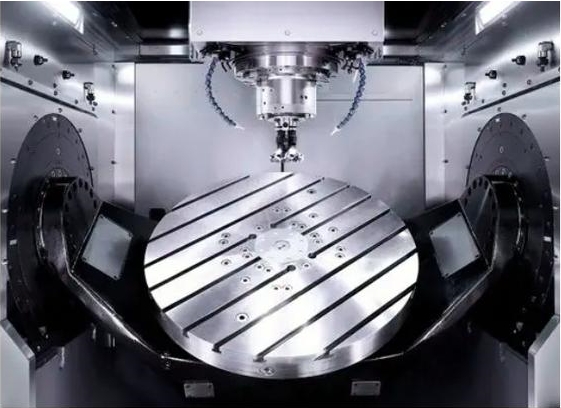
In precision machining, equipment configuration directly determines the ultimate capability of parts. According to recent academic research, defect types in modern CNC machining include crashes, abnormal outlines, sloping surfaces, and dark color changes. Prevention and detection of these defects heavily depend on the technical level of equipment.
We employ five-axis machining centers and intelligent equipment with in-process inspection capabilities, enabling real-time monitoring of the machining process. Research shows that CNC machining platforms integrating automatic optical inspection and artificial intelligence can achieve defect detection accuracy exceeding 95%, reducing defect recurrence by approximately 80%. This means that suppliers' technical equipment levels directly impact your parts' quality stability.
Key Factor 3: Delivery Reliability and Production Scheduling
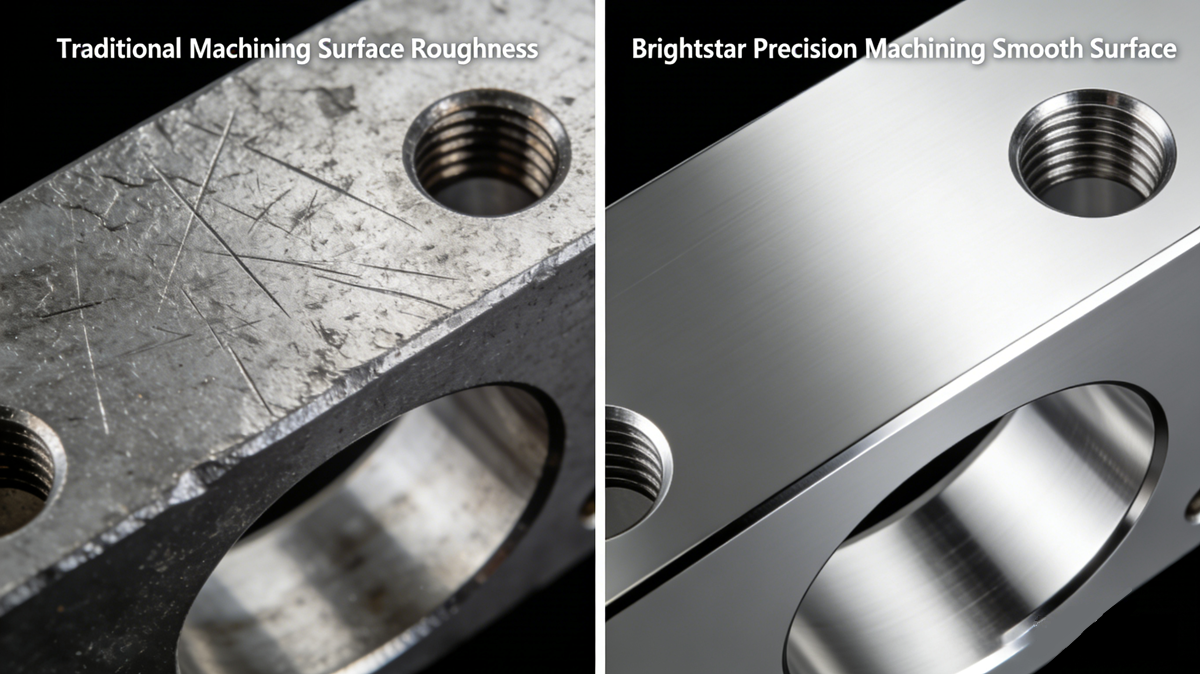
The core value of rapid prototyping lies in speed. When you need to validate design concepts, time is money. Factors affecting custom machining lead times include process complexity, batch size, and supply chain preparation time. Reasonable delivery cycles for conventional metal parts typically range from 7 to 15 working days, while complex parts may extend to 4 to 6 weeks.
In a case serving a medical device company, the client needed custom stainless steel precision gears. Through detailed process breakdown sheets, we clearly marked standard times, buffer times, and quality inspection points for each process, ultimately completing delivery within the promised 12 working days. Transparent time planning is far more valuable than aggressive promises.
Key Factor 4: Communication Responsiveness and Technical Support
This is the most underestimated factor. True cost savings often come from suppliers' early engineering involvement. A German automotive parts client initially insisted on reducing costs by per part, but through analyzing their production process, we discovered that redesigning fixtures to reduce tool changeover time could achieve savings per part, far exceeding their original goal.
Excellent machine parts suppliers should not be passive order takers, but proactive design optimization partners. They should be able to identify manufacturability issues in designs and propose improvement suggestions before production begins.
Key Factor 5: Flexibility of Minimum Order Quantity Policies
Flexibility is crucial in rapid prototyping and small-batch production stages. Traditional suppliers often require high minimum order quantities, which ties up your capital and increases inventory pressure. Reliable suppliers should accept flexible orders ranging from 1 to 200 pieces, supporting seamless transition from prototype validation to small-batch production.
Key Factor 6: Quality Control Processes and Inspection Equipment
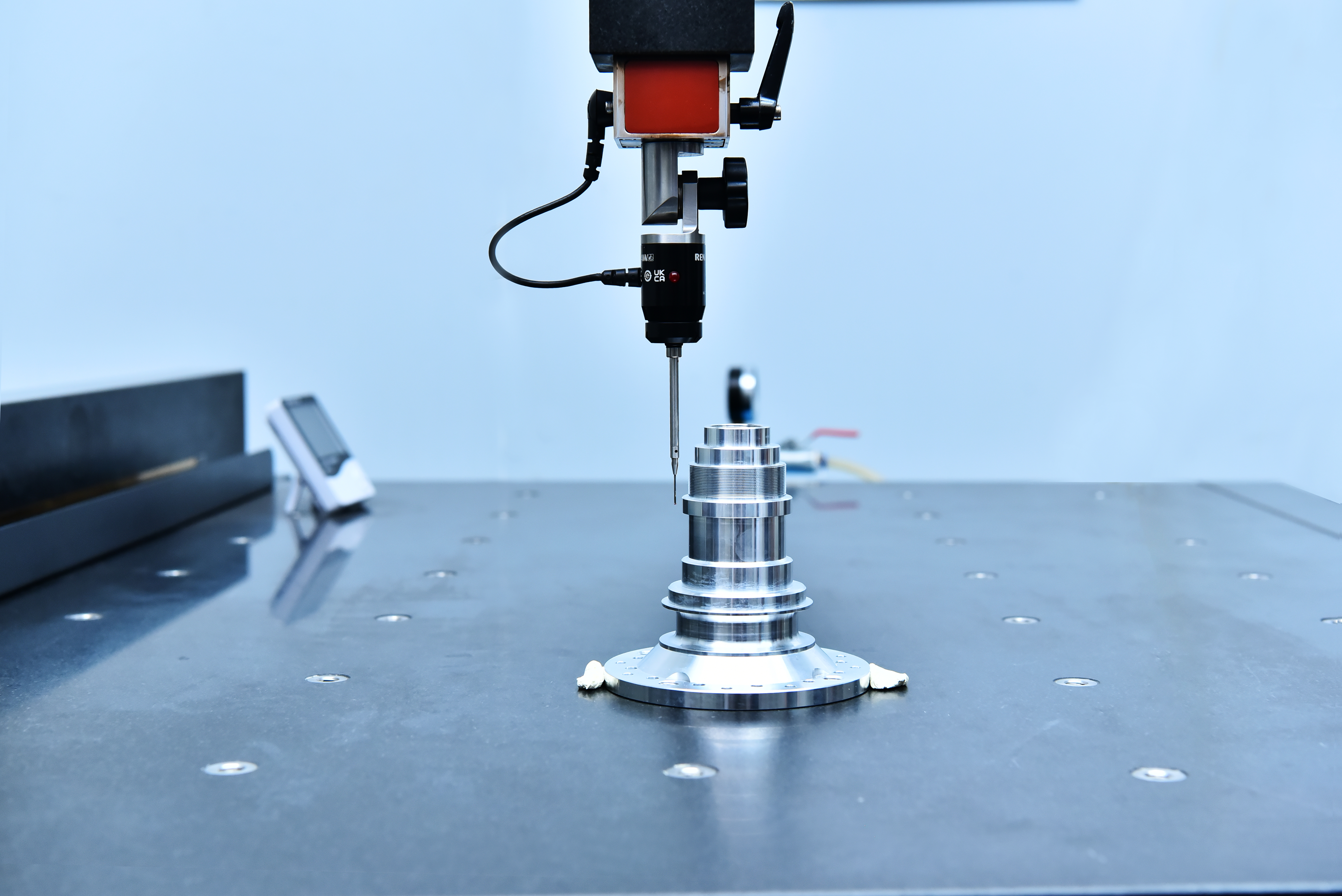
Beyond certifications, actual inspection capabilities are equally critical. Top-tier suppliers should be equipped with CMMs, optical projectors, roughness testers, and establish comprehensive quality documentation systems, including First Article Inspection reports, in-process inspection records, and final shipment inspection reports.
Key Factor 7: Past Case Studies and Customer Reputation
In demanding fields like aerospace, medical devices, and robotics, suppliers' past cases are direct proof of capability. You should pay close attention to whether suppliers have experience machining similar materials, similar tolerance requirements, and similar complexity. A North American aerospace supplier once required all features of their parts to maintain ±0.025mm tolerance, but analysis showed only 30% of features actually needed this precision. Experienced suppliers help identify such over-design, reducing costs.
Key Factor 8: Transparency of Price Structure
Figures on procurement quotes often reflect only a small portion of total costs. True total cost of ownership includes equipment depreciation, energy consumption, maintenance downtime losses, tool replacement frequency, and scrap rates due to inconsistent quality. For example, when machining difficult materials like titanium alloys, tool wear rates can be over 70% faster than when machining aluminum parts.

Case Study
Last year, a European client referred a failed part order they had with a previous Chinese subcontractor. That subcontractor's initial quote was 30% lower than our cost analysis suggested, but the first batch of parts was entirely scrapped because they failed to meet precision requirements. It was then that the client realized supplier selection is far more complex than simply comparing numbers on a quote sheet.

Frequently Asked Questions
Q: How do I verify a supplier's qualifications?
A: In addition to requesting ISO certification, conduct on-site audits focusing on actual implementation of quality control processes.
Q: How long does small-batch custom machining typically take?
A: Based on industry practice, simple parts take about 7-10 days, while complex parts may require 4-6 weeks.
Q: How do I balance price and quality?
A: Adopt total cost of ownership thinking rather than focusing solely on initial quotes.
Evaluating suppliers shouldn't be a matter of intuition. Brightstar Prototype CNC Co., Ltd has prepared a Supplier Evaluation Scorecard template for you, covering the 8 key factors discussed in this article and 20 substandard. Click here to download and make your supplier selection decisions evidence-based. Meanwhile, you're welcome to send your drawings to our engineering team anytime for a free manufacturability analysis.