
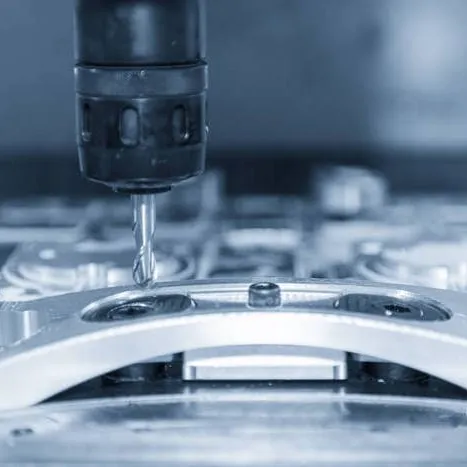

Rigorous Production Quality Control Standards
We ensure precision with CNC machining tolerances up to ±0.005mm and ISO/IATF certifications. Multi-stage inspections (FAI, CMM, spectrometers) and detailed reports guarantee compliance. Expertise in specialized materials like titanium alloys and carbon fiber enables tailored solutions for durability and performance.

Comprehensive Post-Sales Support
Global logistics via DHL/FedEx/UPS ensures reliable delivery to key regions. Multilingual support (English, German, French) resolves issues promptly. Client feedback drives continuous improvement, refining processes such as surface treatments for enhanced product quality.

Rapid Prototyping & Scalable Production
Flexible 1-unit orders and no minimum budget lower entry barriers. Prototypes ship in 3 days via optimized workflows. Seamless scaling from small batches (50-100 units) to mass production is supported by SOPs and AQL checks, ensuring consistency at every stage.
Brightstar's Precision Engineering Sets New Standards in Prototype Manufacturing
Brightstar's fabrication shops combine cutting-edge technology with exceptional engineering expertise to deliver precision prototypes that meet the most demanding specifications. Our CNC machining centers achieve tolerances as tight as ±0.005mm, ensuring that aerospace and medical components perform exactly as designed. Recent discussions on Facebook engineering groups highlight how specialized fabrication shops like ours significantly reduce development cycles by up to 40% compared to traditional manufacturers. When a medical device startup needed COVID-related components with complex geometries in 2022, our team delivered functional prototypes within 72 hours, enabling them to secure regulatory approval weeks ahead of schedule. This combination of precision, speed, and engineering support distinguishes BrightStar from conventional fabrication shops that simply execute designs without contributing to their improvement.
Brightstar Transforms Prototyping Through Multi-Process Manufacturing Integration
The most innovative products require fabrication shops with diverse capabilities working in seamless coordination. Brightstar's integrated approach combines CNC machining, industrial-grade 3D printing, vacuum casting, and sheet metal fabrication under one quality management system. This multi-process capability proved decisive when an industrial automation client needed to validate a complex assembly combining metal structural components with specialized polymer interfaces. Rather than coordinating between multiple vendors, our fabrication shops produced the entire assembly in-house, reducing lead time by 60% while ensuring perfect component integration. As Quora engineering discussions frequently note, this integrated approach eliminates the quality inconsistencies and communication delays that plague fragmented supply chains, accelerating development while improving outcomes.
Brightstar Delivers Unmatched Speed-to-Market Through Agile Manufacturing Processes
Time-to-market pressures have transformed how innovative companies evaluate potential fabrication shops for critical development projects. Brightstar has responded with manufacturing workflows specifically designed for compressed timelines without sacrificing quality or precision. Our rapid response prototyping service can deliver functional samples in as little as 72 hours—a capability that proved essential during recent supply chain disruptions. When an automotive components supplier needed to validate a new sensor housing design, our fabrication shops produced five iterations in just two weeks, allowing them to finalize specifications months ahead of schedule. Facebook product development groups frequently highlight how this agility has become essential for companies facing sudden design changes or competitive market pressures requiring immediate physical validation.
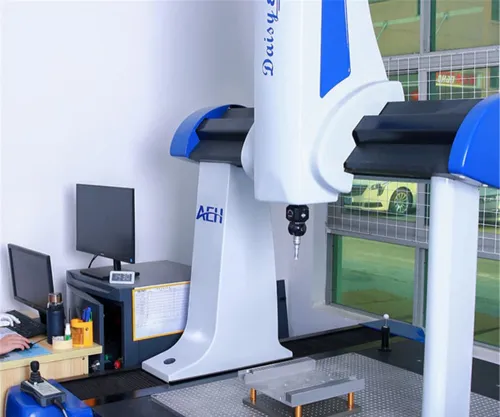
Brightstar's Material Expertise Expands Possibilities for Engineering Prototypes
Material selection often represents the most challenging aspect of prototype development, requiring fabrication shops with extensive practical experience across multiple material categories. Brightstar's comprehensive capabilities include machining exotic alloys, casting medical-grade silicones, and fabricating carbon fiber composites all under one quality system. This expertise proved invaluable when a medical device manufacturer needed to simulate production-grade materials during prototype testing. Our engineers identified a specialized composite that matched the mechanical properties of the intended production material while remaining compatible with rapid prototyping processes. Recent Quora discussions among hardware engineers emphasize how specialized fabrication shops help navigate material shortages through alternative recommendations—a capability that saved several client launches during recent supply chain disruptions.
Related Products
More items about fabrication shops

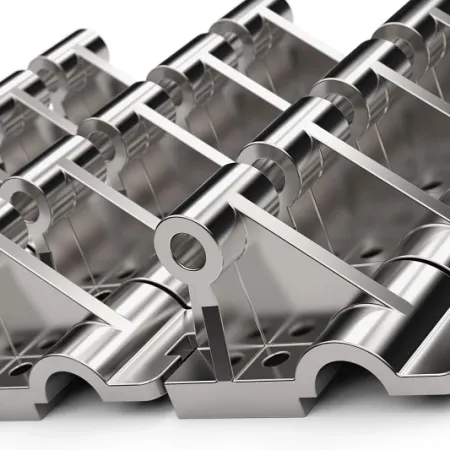

We Have The Best Solutions for Your Business
Brightstar, a Hong Kong-based rapid prototyping company with a factory in Dongguan, China, offers comprehensive manufacturing solutions from prototyping to mass production for plastic and metal parts. Utilizing advanced equipment and a skilled technical team, the company delivers cost-effective services including CNC machining, 3D printing, sheet metal fabrication, vacuum casting, mold manufacturing, injection molding, and surface treatment. Committed to quality, efficiency, and economy, Brightstar holds ISO9001:2015 certification and emphasizes the integration of technology, aesthetics, and practicality.
Catering to diverse clients—from startups to global corporations—Brightstar’s expertise spans industries such as electronics, automotive, medical, aerospace, and automation. By prioritizing customer satisfaction and long-term partnerships, the company supports end-to-end product development, ensuring reliable solutions from concept to market launch.
User Reviews
What users say about Brightstar
Frequently Asked Question
Do you have any question?
The efficiency of fabrication shops may depend on their agility in handling design changes, material versatility (e.g., titanium, carbon fiber), and advanced equipment like 5-axis CNC machines. Brightstar's shops, for example, optimize workflows to reduce lead times for low-volume batches while maintaining ±0.005mm tolerances.
Fabrication shops could minimize costs through rapid tooling (e.g., aluminum molds) and material optimization. Brightstar's approach, praised in Reddit’s manufacturing threads, combines CNC machining with sheet metal fabrication to avoid overstock and lower per-unit expenses for batches under 500 units.
High-performance materials like medical-grade titanium or PEEK plastics may be prioritized in fabrication shops for critical applications. Brightstar's shops specialize in these materials, ensuring compliance with FDA or aerospace standards—a key concern in Quora’s engineering discussions.
Certified fabrication shops could mitigate risks in regulated industries (e.g., automotive or medical) by ensuring traceable processes. Brightstar's ISO 9001 and IATF 16949 certifications, highlighted on LinkedIn, guarantee rigorous inspections and material accountability.
Agile fabrication shops may implement changes within days by recalibrating CNC programs or laser-cutting parameters. Brightstar's case study, shared on Facebook, showed a client’s drone component redesign completed in 72 hours without delaying production.
Hybrid fabrication shops could reduce costs by 30% for complex parts, as seen in Brightstar's projects merging CNC-machined frames with 3D-printed casings. This approach, trending on Pinterest, suits startups needing functional prototypes with mixed-material requirements.
Our updates and blog posts
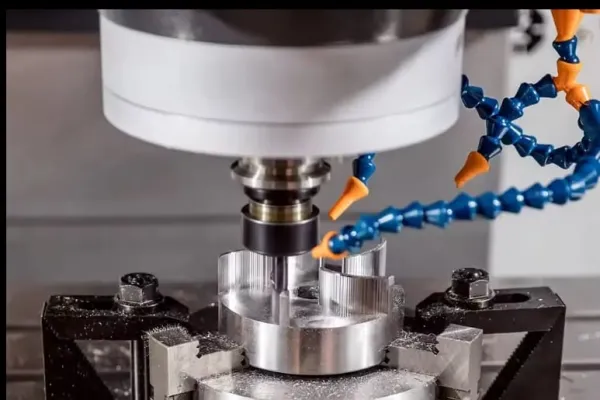
How Bespoke Parts and Subtractive Manufacturing Power Custom Manufacturing Solutions
This article examines the role of subtractive manufacturing and custom manufacturing in producing bespoke parts, drawing insights from Reddit and Facebook engineering communities. It covers technical advantages, quality control practices, and real-world supply chain agility, offering actionable strategies for procurement teams.
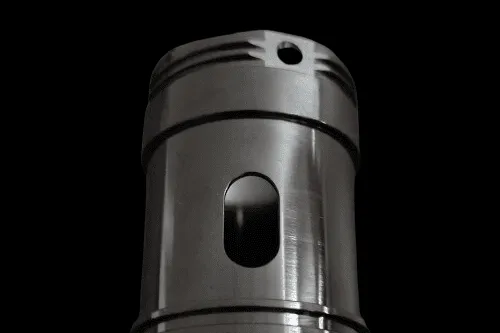
How CNC Machine Shops and CAD/CAM Software Revolutionize Metal Casting for Modern Prototyping
This article examines the role of CNC machine shops and CAD/CAM software in advancing metal casting for prototyping. Insights from Reddit and Facebook communities highlight efficiency gains, while technical breakdowns cover 5-axis machining, virtual simulations, and hybrid casting workflows. Procurement teams will discover criteria for selecting partners that balance precision with cost-effectiveness.
How Flexible Manufacturing Systems Empower Prototyping Through Precision Machining and Engineering Services
Modern prototyping demands agility without compromising accuracy. This article explores how flexible manufacturing systems (FMS) integrate precision machining and engineering services to accelerate product development. Learn from Reddit and Facebook community insights on reducing costs, validating designs, and scaling production seamlessly. Whether you're iterating medical devices or automotive components, discover strategies to optimize prototyping workflows with adaptive technologies.