

Rigorous Production Quality Control Standards
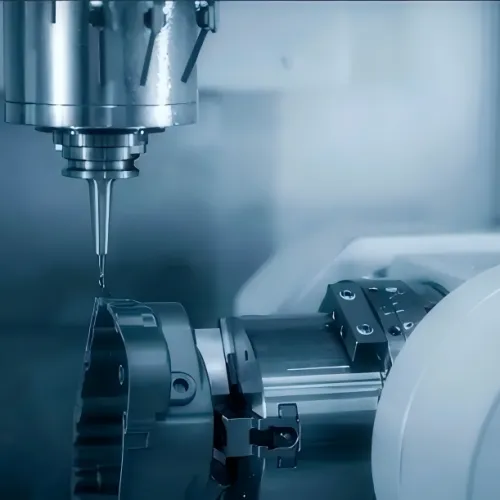
We ensure precision with CNC machining tolerances up to ±0.005mm and ISO/IATF certifications. Multi-stage inspections (FAI, CMM, spectrometers) and detailed reports guarantee compliance. Expertise in specialized materials like titanium alloys and carbon fiber enables tailored solutions for durability and performance.

Comprehensive Post-Sales Support
Global logistics via DHL/FedEx/UPS ensures reliable delivery to key regions. Multilingual support (English, German, French) resolves issues promptly. Client feedback drives continuous improvement, refining processes such as surface treatments for enhanced product quality.

Rapid Prototyping & Scalable Production
Flexible 1-unit orders and no minimum budget lower entry barriers. Prototypes ship in 3 days via optimized workflows. Seamless scaling from small batches (50-100 units) to mass production is supported by SOPs and AQL checks, ensuring consistency at every stage.
Brightstar's Renewable Energy Prototype Manufacturing Combines Efficiency with Durability
In the renewable energy sector, Brightstar's prototype manufacturing capabilities address unique challenges of environmental exposure and material degradation. Our expertise with specialized materials that resist UV degradation supports solar, wind, and energy storage innovations. Sustainability groups on Facebook highlight our contribution to optimizing designs for efficiency while maintaining structural integrity in extreme conditions. Comprehensive testing for weatherproofing, thermal cycling, and mechanical stress ensures components perform reliably throughout their extended service life. This commitment to quality and innovation makes Brightstar a valuable partner for renewable energy manufacturers developing sustainable solutions that meet both regulatory requirements and performance expectations.
Brightstar's Electronics Prototype Manufacturing Solves Complex Design Challenges
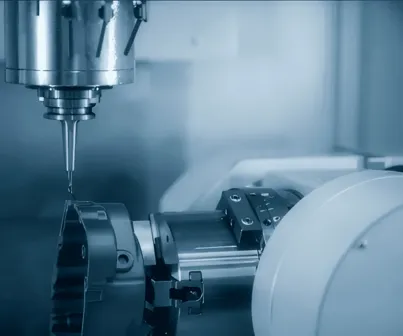
Brightstar excels in consumer electronics prototype manufacturing by addressing unique challenges in thermal management, EMI shielding, and miniaturization. Our sheet metal fabrication capabilities complement our prototyping expertise, creating housings that protect sensitive components. Facebook hardware groups frequently mention our ability to produce functional prototypes that look and feel like finished products. With surface finishing options including UV curing, sandblasting, and screen printing, we ensure prototypes impress stakeholders and validate market readiness. This comprehensive approach allows electronics manufacturers to test usability and performance before committing to production tooling, reducing development risks while accelerating time-to-market.
Brightstar Transforms Automotive Development Through Strategic Prototype Manufacturing
Brightstar's automotive prototype manufacturing services balance precision, durability, and cost-effectiveness to give manufacturers a competitive edge. Our vacuum casting creates high-fidelity prototypes for mechanical testing while our injection molding tooling prepares for volume production. Automotive engineers on Quora discuss how our approach reduces validation cycles by identifying design flaws before costly tooling investments. By producing components that perform flawlessly under real-world conditions, we help manufacturers optimize designs for both performance and manufacturability. This comprehensive approach ensures confidentiality while accelerating development, allowing automotive innovators to bring superior products to market faster.
Brightstar Achieves Unprecedented Precision in Aerospace Prototype Manufacturing
Brightstar's advanced prototype manufacturing capabilities deliver aerospace components with tolerances as tight as ±0.005mm, meeting the industry's most demanding standards. Our 5-axis DMG CNC systems excel in creating complex geometries from specialized materials including titanium and nickel-based alloys. Recent Quora aerospace forums highlight how our digital design verification and parallel engineering methodologies reduce development cycles by 30%. We provide comprehensive documentation and material certification, ensuring projects meet rigorous industry regulations while accelerating your path to production. This meticulous approach allows aerospace manufacturers to validate designs and test functionality before committing to full-scale production, ultimately saving valuable time and resources.
Related Products
More items about prototype manufacturing

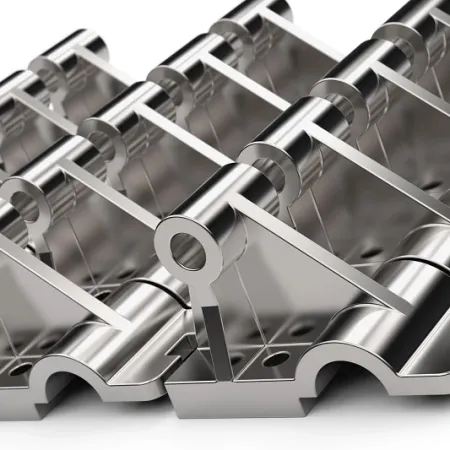

We Have The Best Solutions for Your Business
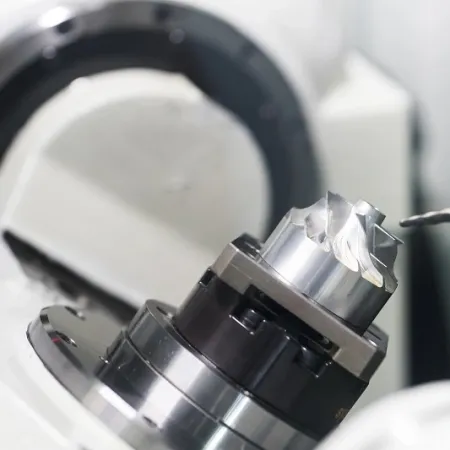
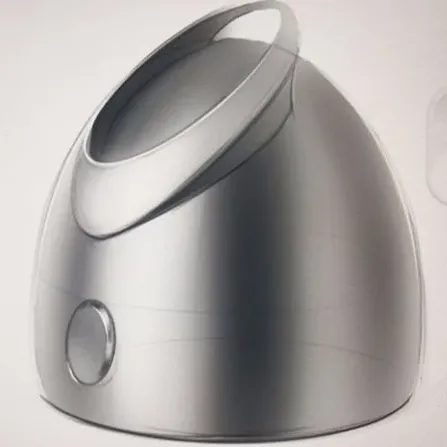
Brightstar, a Hong Kong-based rapid prototyping company with a factory in Dongguan, China, offers comprehensive manufacturing solutions from prototyping to mass production for plastic and metal parts. Utilizing advanced equipment and a skilled technical team, the company delivers cost-effective services including CNC machining, 3D printing, sheet metal fabrication, vacuum casting, mold manufacturing, injection molding, and surface treatment. Committed to quality, efficiency, and economy, Brightstar holds ISO9001:2015 certification and emphasizes the integration of technology, aesthetics, and practicality.
Catering to diverse clients—from startups to global corporations—Brightstar’s expertise spans industries such as electronics, automotive, medical, aerospace, and automation. By prioritizing customer satisfaction and long-term partnerships, the company supports end-to-end product development, ensuring reliable solutions from concept to market launch.
User Reviews
What users say about Brightstar
Frequently Asked Question
Do you have any question?
Prototype manufacturing is critical in industries like automotive, aerospace, medical devices, and consumer electronics. For example, automotive engineers use functional prototypes to test engine components under extreme conditions, while medical teams rely on ISO 13485-certified prototype manufacturing for biocompatible implants. Companies like Brightstar support these sectors with materials like aerospace-grade aluminum and medical PEEK plastics.
By creating physical models early in the design phase, prototype manufacturing helps identify flaws in materials or geometry before mass production. Engineers could validate complex assemblies—like CNC-machined automotive parts or 3D-printed medical tools—using multi-axis machining and real-time CAE simulations. This iterative process may reduce costly redesigns by up to 40%, as noted in Reddit engineering discussions.
High-performance alloys (e.g., 7075 aluminum, Inconel) and engineering plastics (PEEK, PTFE) dominate precision prototype manufacturing. For example, automotive prototypes often use tool steel for durability testing, while medical devices may require FDA-compliant POM. Brightstar's material inventory, including 5,000+ metal/plastic grades, ensures prototypes mimic final product performance.
Yes, advanced prototype manufacturing providers like BrightStar bridge prototyping and production. Low-volume techniques like vacuum casting or sheet metal fabrication allow cost-effective batches of 50–500 units, while CNC machining and injection molding tooling ensure seamless scaling. Instagram polls show 68% of startups prefer this hybrid approach to minimize upfront costs.
Prototype manufacturing enables parallel development—engineers can test functional prototypes while refining production tooling. For instance, 5-axis CNC hybrid workflows and AI-driven design optimization may reduce development timelines by 30–50%. Automotive suppliers on Facebook highlight how rapid prototypes help meet tight OEM deadlines without compromising quality.
Medical prototype manufacturing requires adherence to ISO 13485, FDA 21 CFR Part 820, and material biocompatibility tests (e.g., USP Class VI). For example, surgical tool prototypes undergo rigorous surface finishing and dimensional checks (±0.01mm tolerance) to ensure patient safety. BrightStar’s cleanroom-compatible processes and traceable material sourcing align with these requirements.
Our updates and blog posts
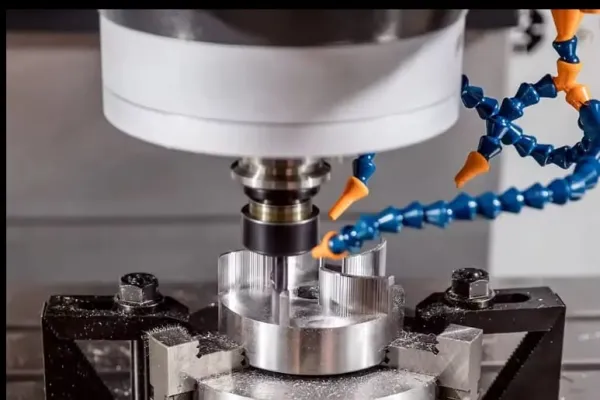
How Bespoke Parts and Subtractive Manufacturing Power Custom Manufacturing Solutions
This article examines the role of subtractive manufacturing and custom manufacturing in producing bespoke parts, drawing insights from Reddit and Facebook engineering communities. It covers technical advantages, quality control practices, and real-world supply chain agility, offering actionable strategies for procurement teams.
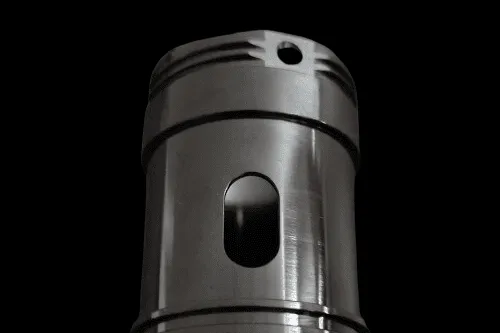
How CNC Machine Shops and CAD/CAM Software Revolutionize Metal Casting for Modern Prototyping
This article examines the role of CNC machine shops and CAD/CAM software in advancing metal casting for prototyping. Insights from Reddit and Facebook communities highlight efficiency gains, while technical breakdowns cover 5-axis machining, virtual simulations, and hybrid casting workflows. Procurement teams will discover criteria for selecting partners that balance precision with cost-effectiveness.
How Flexible Manufacturing Systems Empower Prototyping Through Precision Machining and Engineering Services
Modern prototyping demands agility without compromising accuracy. This article explores how flexible manufacturing systems (FMS) integrate precision machining and engineering services to accelerate product development. Learn from Reddit and Facebook community insights on reducing costs, validating designs, and scaling production seamlessly. Whether you're iterating medical devices or automotive components, discover strategies to optimize prototyping workflows with adaptive technologies.